Radiant heat is a silent cable killer
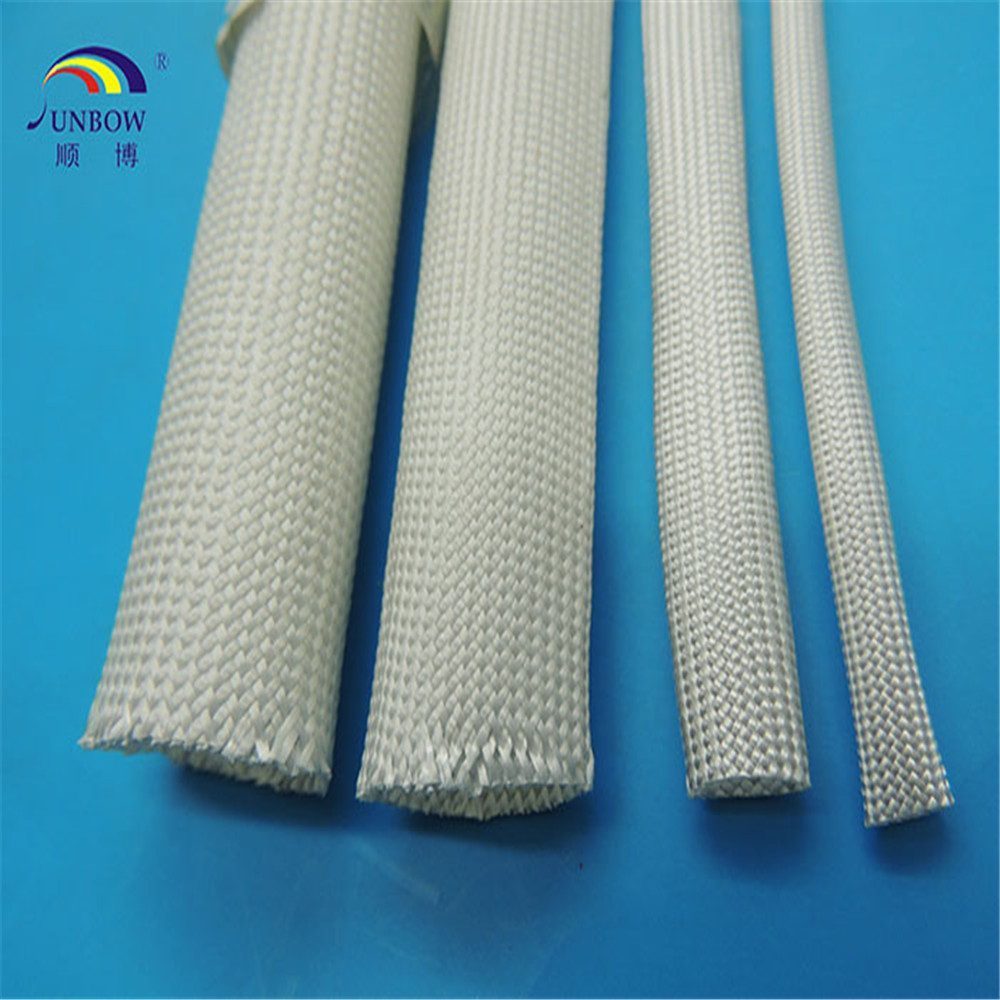
Cables routed beside exhaust components, furnace doors, or dense battery modules can age years ahead of schedule. fire sleeving and high-temperature grades in the fiberglass sleeving range create a thermal buffer that slows jacket embrittlement and reduces drip risk during abnormal events. Designers should treat heat shielding as a system choice alongside routing and clips—not a last-minute wrap.
Selection factors for hot-zone sleeves
- Continuous and peak temperature near the heat source
- Whether the sleeve must open (wrap) or stay tubular
- Abrasion from vibration against brackets
- Compatibility with nearby oils, coolants, or cleaning agents
SB-TGS-1S high temperature-resistance special fiberglass sleeving targets demanding thermal routes; SB-TGS-2S extends the same family for special high-temperature needs. Always measure bundled OD under worst-case tape build before locking sleeve size.
Integration advice for EV and industrial OEMs
Combine fire sleeving with reflective wraps only after verifying airflow and sensor accuracy. Document shrink-back or fray control at cut ends for assembly work instructions. To compare constructions for your heat map, discuss thermal shielding options or read related engineering articles. The right high-temperature fiberglass protection keeps both uptime and compliance on track.
SUNBOW supplies fiberglass sleeving, heat shrink tubing, fluoropolymer tubes, and cable accessories for electronics, automotive, new-energy, and industrial programs. Pairing the right linked product family with early process validation shortens the path from prototype to volume and reduces insulation-related downtime. Share operating temperature, cable OD, and certification needs when you inquire for samples or datasheets.