Flexibility and temperature headroom in one material
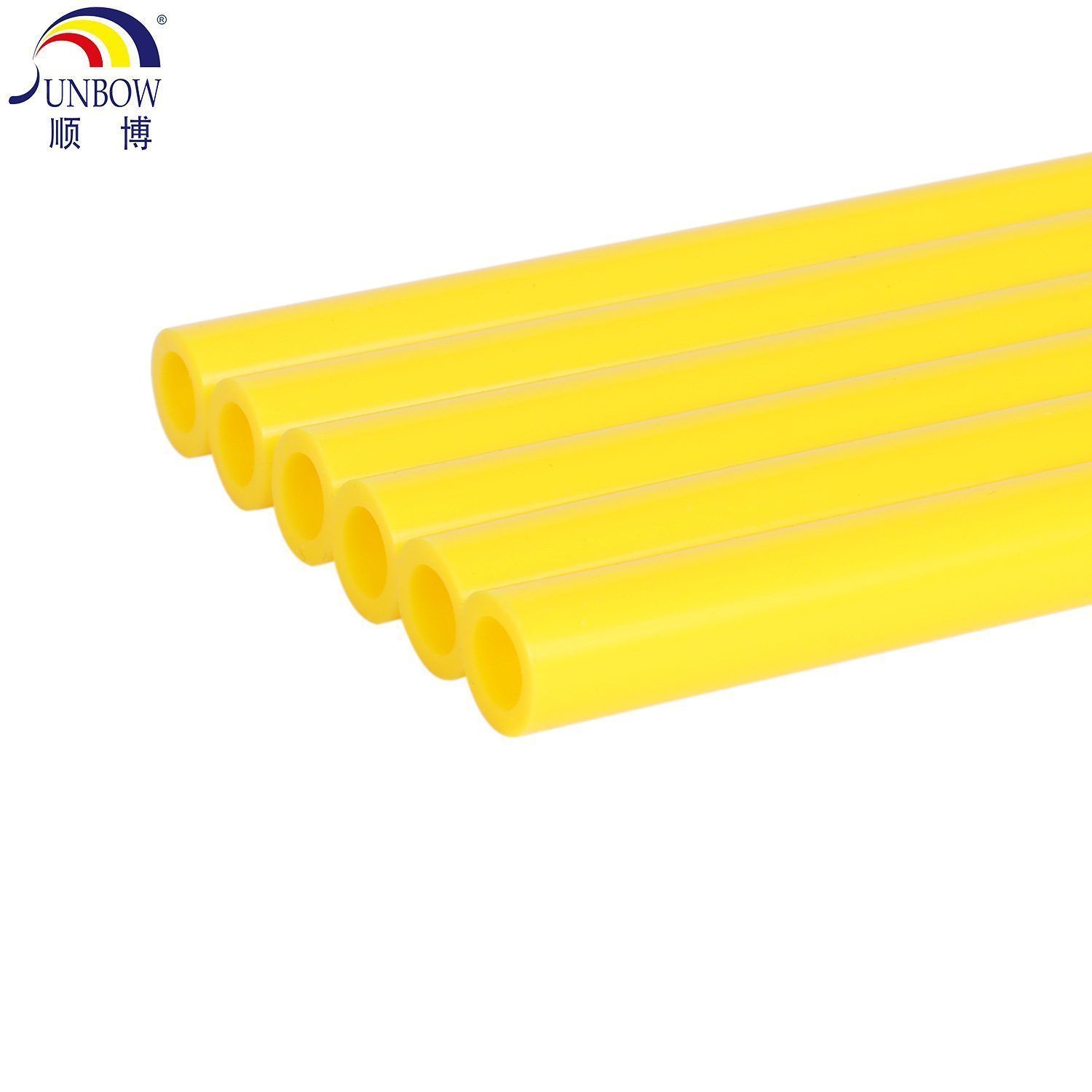
Designers pick silicone rubber tube when assemblies must remain soft at low temperature yet survive elevated heat that challenges PVC tube. Silicone’s elasticity helps on moving axes, door harness loops, and compact electronics cooling jumpers where kink resistance matters.
Where silicone tubing typically wins
- Flexible electrical insulation sleeves on sensor and heater leads
- Low-pressure cooling or air lines in equipment interiors
- Applications needing wide temperature swings without hardening
- Cleaner appearance in visible consumer or medical-adjacent devices
SBS-SRT covers general silicone tube needs; reinforced or specialty variants such as SBS-SRT-FG address more demanding mechanical routes. Confirm shore hardness, ID tolerance, and media compatibility before pilot runs.
Avoiding common specification mistakes
Do not assume food/medical compliance unless certified. For electrical use, verify wall thickness against voltage and abrasion. share fluid and temperature data or read the buying FAQ. The right silicone rubber tube keeps flexible insulation predictable across climates and duty cycles.
SUNBOW supplies fiberglass sleeving, heat shrink tubing, fluoropolymer tubes, and cable accessories for electronics, automotive, new-energy, and industrial programs. Pairing the right linked product family with early process validation shortens the path from prototype to volume and reduces insulation-related downtime. Share operating temperature, cable OD, and certification needs when you inquire for samples or datasheets.
SUNBOW supplies fiberglass sleeving, heat shrink tubing, fluoropolymer tubes, and cable accessories for electronics, automotive, new-energy, and industrial programs. Pairing the right linked product family with early process validation shortens the path from prototype to volume and reduces insulation-related downtime. Share operating temperature, cable OD, and certification needs when you inquire for samples or datasheets.