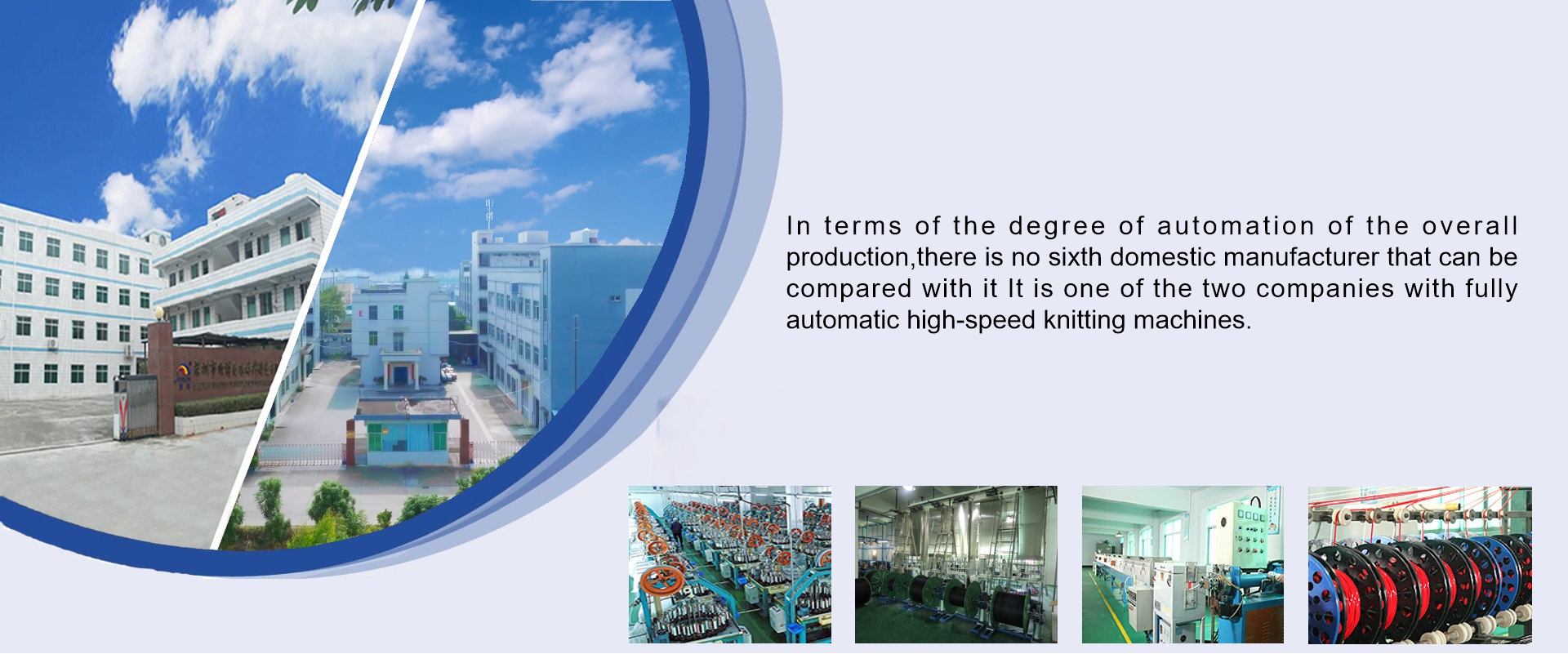
The production process of high-temperature PTFE (polytetrafluoroethylene) sleeves involves several steps to ensure the desired quality and performance of the final product. PTFE sleeves are widely used in various industries due to their exceptional thermal, chemical, and electrical properties. In this article, we will explore the mainstream production process of high-temperature PTFE sleeves in detail.
1. Raw Material Selection: The first step in the production process is the selection of high-quality raw materials. PTFE is a synthetic fluoropolymer of tetrafluoroethylene, and it is crucial to choose the right grade of PTFE resin for the sleeves. The resin should have excellent thermal stability, chemical resistance, and low friction properties to meet the requirements of high-temperature applications.
2. Preparing the PTFE Resin: Once the appropriate PTFE resin is selected, it needs to be prepared for further processing. The resin is typically in the form of a powder, and it is mixed with a lubricant to enhance its flowability. This lubricated resin is then compressed into a billet or preform shape using a hydraulic press.
3. Extrusion: The next step is extrusion, where the PTFE billet is heated and forced through a die to form a continuous sleeve. The extrusion process involves melting the PTFE resin at high temperatures and applying pressure to push it through the die. The die determines the final dimensions and shape of the sleeve.
4. Sintering: After extrusion, the PTFE sleeve is sintered to enhance its mechanical properties. Sintering involves heating the extruded sleeve in an oven at a specific temperature for a certain duration. During this process, the PTFE molecules fuse together, resulting in a solid and stable structure. Sintering also helps to remove any residual lubricant and improve the overall strength and stability of the sleeve.
5. Post-Treatment: Depending on the specific requirements of the application, the PTFE sleeve may undergo additional post-treatment processes. These processes can include surface treatments, such as etching or plasma treatment, to enhance bonding capabilities. The sleeve may also undergo a heat-setting process to stabilize its dimensions and reduce shrinkage during use.
6. Quality Control: Throughout the production process, quality control measures are implemented to ensure the sleeves meet the required specifications. This includes regular testing of the raw materials, monitoring the extrusion parameters, and inspecting the final product for any defects or inconsistencies. Quality control is crucial to ensure the sleeves perform reliably in high-temperature environments.
7. Packaging and Distribution: Once the high-temperature PTFE sleeves pass the quality control checks, they are packaged and prepared for distribution. The sleeves are typically rolled or coiled and packed in protective packaging to prevent damage during transportation. They are then distributed to various industries where they are used in applications such as electrical insulation, chemical processing, and high-temperature sealing.
In conclusion, the mainstream production process of high-temperature PTFE sleeves involves raw material selection, preparing the PTFE resin, extrusion, sintering, post-treatment, quality control, and packaging. Each step is crucial in ensuring the sleeves possess the desired thermal, chemical, and electrical properties. By following this production process, manufacturers can produce high-quality PTFE sleeves that meet the demanding requirements of various industries.
For samples or datasheets, request a quote.