Title: Emerging Trends in the High temperature fiber sleeve Industry
Introduction (100 words) The High temperature fiber sleeve industry has witnessed significant growth in recent years, driven by the increasing demand for advanced insulation solutions in various sectors. These sleeves and tubes are designed to withstand extreme temperatures, making them ideal for applications in industries such as automotive, aerospace, electronics, and energy. This article explores the emerging trends in this industry, including advancements in materials, manufacturing techniques, and applications, as well as the potential challenges and opportunities that lie ahead.
1. Advancements in Materials (200 words) One of the key trends in the High temperature fiber sleeve industry is the continuous development of advanced materials. Traditional materials like fiberglass and silicone have been widely used, but manufacturers are now exploring new options to enhance performance and durability. High-performance fibers such as aramid, carbon, and ceramic fibers are gaining popularity due to their exceptional thermal resistance and mechanical strength. These materials offer improved insulation properties, allowing for higher temperature tolerances and better protection against heat transfer.
Additionally, the integration of nanotechnology has opened up new possibilities for enhancing the properties of high temperature fiber sleeves and tubes. Nanocomposite materials, which combine nanoparticles with traditional fibers, offer improved thermal stability, reduced weight, and increased resistance to wear and tear. These advancements in materials are enabling the development of high-performance sleeves and tubes that can withstand even more extreme temperatures, making them suitable for demanding applications in industries such as aerospace and energy.
2. Innovative Manufacturing Techniques (300 words) Manufacturing techniques play a crucial role in the production of high temperature fiber sleeves and tubes. To meet the growing demand for customized solutions, manufacturers are adopting innovative techniques that allow for greater flexibility and efficiency in production.
One such technique is 3D printing, also known as additive manufacturing. This technology enables the creation of complex geometries and intricate designs, which were previously challenging to achieve using traditional manufacturing methods. 3D printing allows for the production of high temperature fiber sleeves and tubes with precise dimensions and tailored properties, meeting the specific requirements of different applications. This technique also reduces material waste and shortens the production cycle, making it a cost-effective solution for both small-scale and large-scale production.
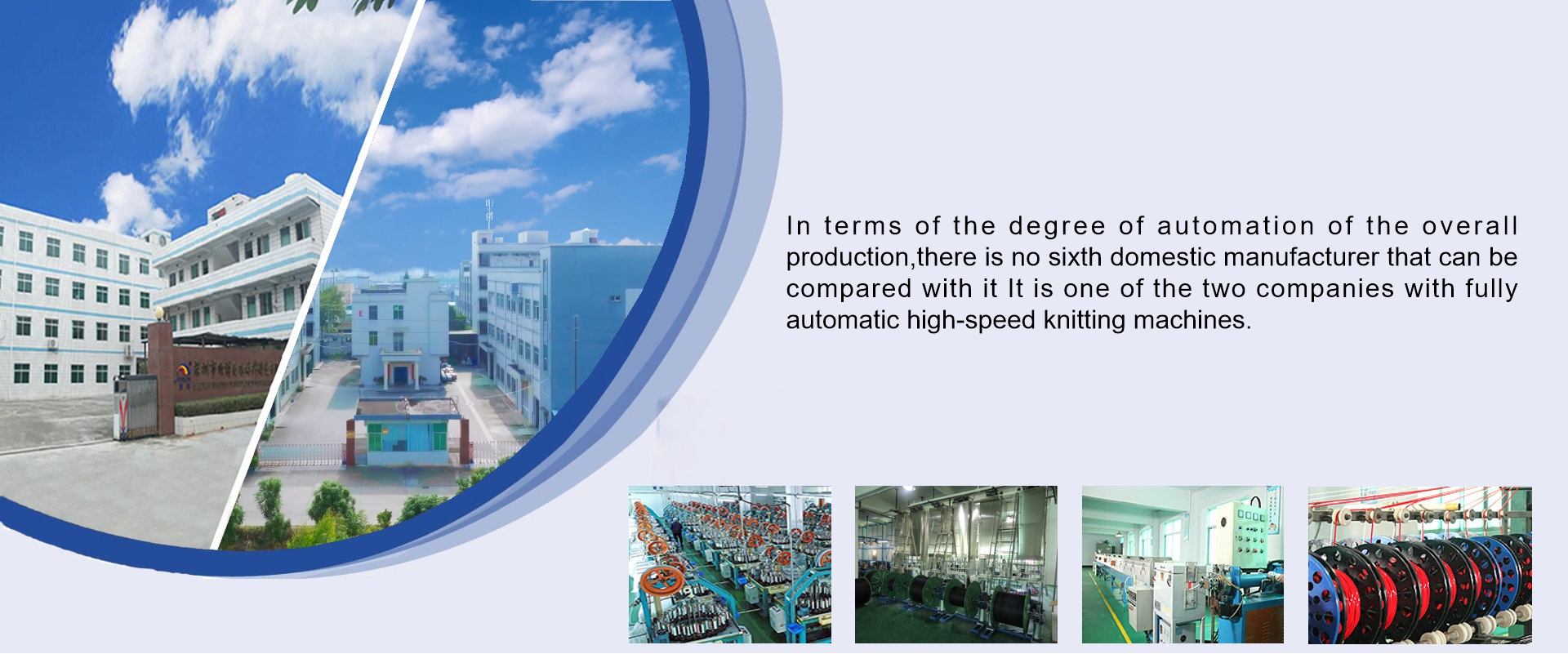
Another emerging manufacturing technique is the use of automated braiding machines. These machines enable the production of seamless high temperature fiber sleeves and tubes with consistent quality. Automated braiding offers advantages such as increased production speed, improved accuracy, and reduced labor costs. It also allows for the incorporation of different fibers and materials, enabling the creation of hybrid sleeves and tubes with enhanced performance characteristics.
3. Diverse Applications (300 words) The High temperature fiber sleeve industry is witnessing a diversification of applications across various sectors. Traditionally, these products were primarily used in automotive and aerospace applications, such as protecting wires and cables from heat in engine compartments or aircraft wiring systems. However, with advancements in materials and manufacturing techniques, the range of applications has expanded significantly.
In the electronics industry, high temperature fiber sleeves and tubes are used to protect sensitive components from extreme temperatures and electromagnetic interference. They are also employed in the energy sector, where they provide insulation for high-temperature pipes and cables in power plants and oil refineries. Moreover, these sleeves and tubes find applications in the chemical industry, where they protect pipelines and equipment from corrosive substances and high-temperature environments.
The emerging trend of electric vehicles (EVs) is also driving the demand for high temperature fiber sleeves and tubes. As EVs become more prevalent, the need for efficient thermal management systems to protect batteries and electrical components from overheating is increasing. High temperature fiber sleeves and tubes offer excellent insulation properties, ensuring the safe and reliable operation of EVs.
4. Challenges and Opportunities (200 words) While the High temperature fiber sleeve industry is experiencing significant growth, it also faces certain challenges. One of the primary challenges is the high cost associated with advanced materials and manufacturing techniques. However, as the demand for these products increases, economies of scale and technological advancements are expected to drive down costs.
Another challenge is the need for continuous research and development to improve the performance and durability of high temperature fiber sleeves and tubes. Manufacturers must invest in R&D to explore new materials, manufacturing techniques, and design innovations to meet the evolving needs of various industries.
Despite these challenges, the High temperature fiber sleeve industry presents numerous opportunities. The increasing focus on energy efficiency and sustainability is expected to drive the demand for advanced insulation solutions, creating a favorable market environment for high temperature fiber sleeves and tubes. Additionally, the growing adoption of electric vehicles and the expansion of industries such as aerospace and electronics offer significant growth prospects for manufacturers in this sector.
Conclusion (100 words) The High temperature fiber sleeve industry is witnessing several emerging trends that are reshaping the market. Advancements in materials, innovative manufacturing techniques, and diverse applications are driving the growth of this industry. As the demand for high temperature insulation solutions continues to rise, manufacturers must stay at the forefront of technological advancements to meet the evolving needs of various sectors. By embracing these trends and addressing the associated challenges, the industry is poised for further growth and innovation in the coming years.
For samples or datasheets, request a quote.