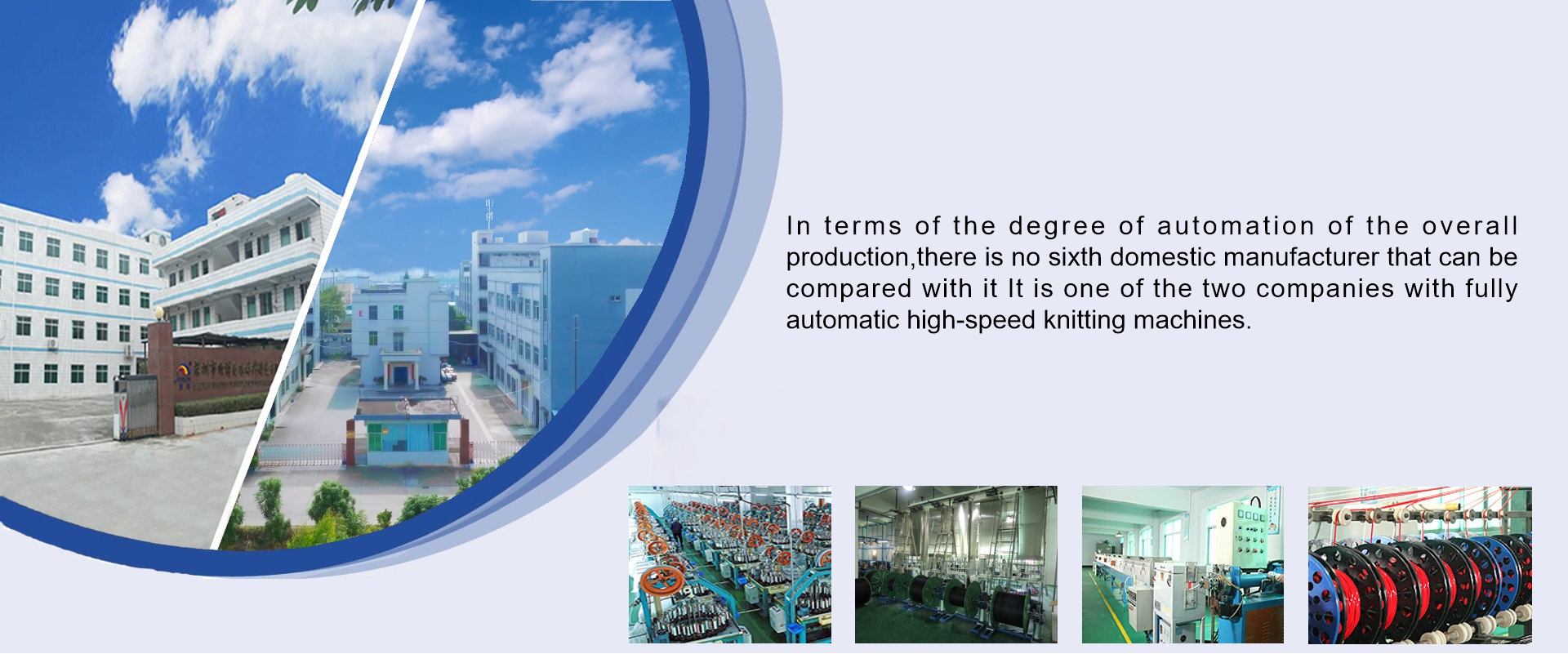
Title: The Manufacturing Process of Telescopic Woven Sleeves: A Comprehensive Overview
Introduction (100 words)Telescopic woven sleeves are an essential component in various industries, providing protection and insulation for cables, wires, hoses, and other delicate components. This article aims to provide a comprehensive understanding of the manufacturing process behind these sleeves, exploring the materials used, the weaving techniques employed, and the finishing processes involved. By delving into the intricacies of telescopic woven sleeve production, we can gain a deeper appreciation for the craftsmanship and engineering that goes into creating these versatile and durable protective solutions.
1. Material Selection (200 words) The first step in the manufacturing process of telescopic woven sleeves is the careful selection of materials. The choice of materials depends on the specific requirements of the application, such as temperature resistance, chemical compatibility, and mechanical strength. Common materials used include fiberglass, polyester, nylon, and aramid fibers. These materials offer excellent thermal and abrasion resistance, as well as flexibility and durability.
2. Yarn Preparation (200 words) Once the materials are selected, the next step is yarn preparation. The chosen fibers are processed through various techniques, such as twisting, plying, and texturizing, to enhance their strength and flexibility. This process ensures that the yarns are ready for weaving and can withstand the stresses encountered during the manufacturing process and subsequent use.
3. Weaving Techniques (400 words) Telescopic woven sleeves are typically produced using specialized weaving machines. There are several weaving techniques employed, including circular, flat, and tubular weaving. Circular weaving involves the use of circular looms, which create seamless sleeves with a continuous spiral pattern. Flat weaving, on the other hand, utilizes shuttle looms to produce sleeves with a flat, rectangular shape. Tubular weaving combines both circular and flat weaving techniques, resulting in sleeves with a tubular structure and a flat surface.
During the weaving process, the yarns are interlaced to form a tight-knit structure. The weaving machines are programmed to create specific patterns, such as plain, twill, or satin weaves, depending on the desired characteristics of the sleeve. The weaving process ensures that the sleeves have the necessary flexibility, expandability, and strength to accommodate various cable diameters and provide optimal protection.
4. Finishing Processes (300 words) After the weaving process, the telescopic woven sleeves undergo various finishing processes to enhance their performance and aesthetics. These processes include heat setting, coating, and cutting.
Heat setting involves subjecting the woven sleeves to controlled heat, which helps stabilize the structure and shape of the sleeves. This process ensures that the sleeves maintain their dimensional stability and do not shrink or deform when exposed to high temperatures.
Coating is another crucial step in the manufacturing process. The sleeves can be coated with materials such as silicone, acrylic, or polyurethane to provide additional protection against abrasion, chemicals, and moisture. The coating also improves the sleeves' resistance to flame and UV radiation, making them suitable for a wide range of applications.
Finally, the sleeves are cut to the desired length and width. This step is typically performed using automated cutting machines, ensuring precise and consistent dimensions for each sleeve.
Conclusion (100 words) The manufacturing process of telescopic woven sleeves involves a series of intricate steps, from material selection to weaving techniques and finishing processes. By understanding the craftsmanship and engineering behind these sleeves, we can appreciate the level of protection and durability they offer in various industries. The careful selection of materials, precise weaving techniques, and meticulous finishing processes ensure that telescopic woven sleeves meet the demanding requirements of modern applications, providing reliable and long-lasting protection for cables, wires, hoses, and other delicate components.