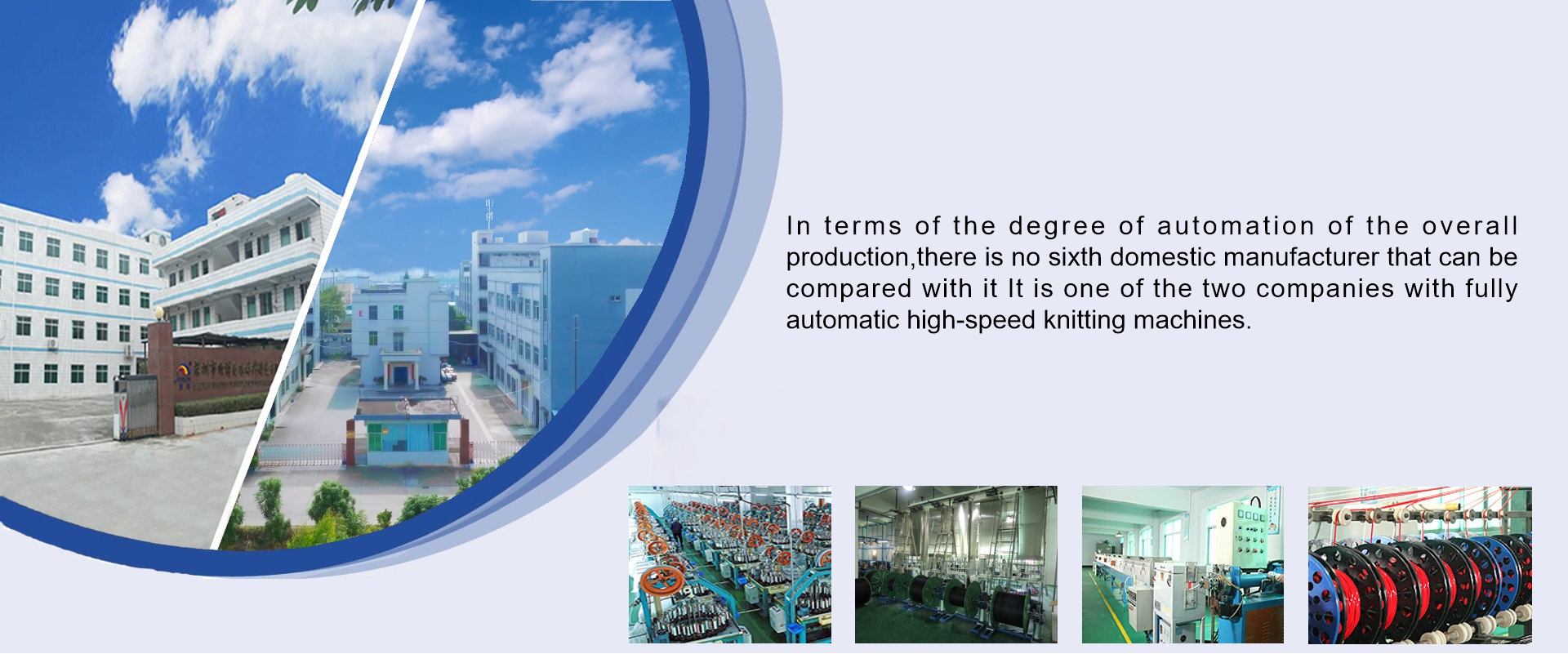
PVC heat tubes, also known as PVC heat shrink tubes or PVC heat shrinkable tubes, are widely used in various industries for their excellent electrical insulation and heat resistance properties. These tubes are made from a type of plastic called polyvinyl chloride (PVC), which is a versatile and cost-effective material. In this article, we will explore the composition, manufacturing process, properties, and applications of PVC heat tubes.
Composition of PVC Heat Tubes: PVC, the main component of PVC heat tubes, is a synthetic polymer made from the monomer vinyl chloride. It is produced through the polymerization of vinyl chloride molecules, resulting in a long-chain structure. PVC is a thermoplastic material, meaning it can be melted and re-molded multiple times without undergoing any significant chemical change.
To enhance the properties of PVC, various additives are incorporated during the manufacturing process. These additives include plasticizers, stabilizers, lubricants, and fillers. Plasticizers, such as phthalates, are added to increase the flexibility and elongation of the PVC, making it easier to shrink when heated. Stabilizers, such as lead-based compounds or organic tin compounds, are used to prevent degradation of the PVC due to heat, light, or other environmental factors. Lubricants and fillers are added to improve the processability and mechanical strength of the PVC heat tubes.
Manufacturing Process of PVC Heat Tubes: The manufacturing process of PVC heat tubes involves several steps, including compounding, extrusion, and heat shrinking. Let's take a closer look at each of these steps:
1. Compounding: In this step, PVC resin is mixed with various additives, including plasticizers, stabilizers, lubricants, and fillers. The mixture is heated and blended in a high-speed mixer to ensure uniform distribution of additives throughout the PVC resin.
2. Extrusion: The compounded PVC material is then fed into an extruder, which consists of a heated barrel and a rotating screw. The screw conveys the material forward while applying heat and pressure, causing the PVC to melt. The molten PVC is then forced through a die, which shapes it into a continuous tube.
3. Cooling and Sizing: After extrusion, the PVC tube is rapidly cooled using a water bath or air cooling system. This cooling process solidifies the PVC, allowing it to maintain its shape. The tube is then passed through a sizing device to ensure its dimensions meet the required specifications.
4. Heat Shrinking: The final step involves subjecting the PVC tube to heat, causing it to shrink and conform to the shape of the object it is applied to. This heat can be applied using a heat gun, oven, or other heat sources. As the PVC tube shrinks, it tightly wraps around the object, providing insulation and protection.
Properties of PVC Heat Tubes: PVC heat tubes possess several desirable properties that make them suitable for a wide range of applications. Some of the key properties include:
1. Electrical Insulation: PVC is an excellent electrical insulator, making it ideal for applications where electrical wires or components need to be protected from moisture, dust, or other environmental factors.
2. Heat Resistance: PVC heat tubes can withstand high temperatures without deforming or melting. The heat shrinking process further enhances their ability to withstand heat, making them suitable for applications where heat resistance is crucial.
3. Chemical Resistance: PVC is resistant to many chemicals, including acids, alkalis, oils, and solvents. This chemical resistance makes PVC heat tubes suitable for use in environments where exposure to corrosive substances is expected.
4. Flexibility: PVC heat tubes are highly flexible, allowing them to conform to irregular shapes and contours. This flexibility makes them easy to install and provides a snug fit around the objects they are applied to.
5. Durability: PVC is a durable material that can withstand mechanical stress, impact, and abrasion. This durability ensures that PVC heat tubes can provide long-lasting protection to the objects they encase.
Applications of PVC Heat Tubes: PVC heat tubes find applications in various industries due to their excellent properties. Some common applications include:
1. Electrical and Electronics: PVC heat tubes are widely used in the electrical and electronics industry for insulating and protecting wires, cables, connectors, and electronic components. They provide electrical insulation, mechanical protection, and resistance to moisture and chemicals.
2. Automotive: PVC heat tubes are used in the automotive industry for wire harnessing, battery terminal insulation, and protection of electrical connections. They provide protection against heat, abrasion, and chemicals, ensuring reliable performance in harsh automotive environments.
3. Aerospace: PVC heat tubes are utilized in the aerospace industry for wire bundling, insulation, and protection of electrical systems. They meet stringent safety and performance requirements, providing reliable protection in extreme temperature and vibration conditions.
4. Industrial: PVC heat tubes are employed in various industrial applications, such as insulation and protection of pipes, tubes, and cables. They provide resistance to heat, chemicals, and mechanical stress, ensuring the longevity and reliability of industrial equipment.
5. DIY and Crafts: PVC heat tubes are also popular among hobbyists, DIY enthusiasts, and crafters. They can be used for various creative projects, such as jewelry making, model building, and customizing electronic devices.
In conclusion, PVC heat tubes are made from polyvinyl chloride (PVC), a versatile and cost-effective thermoplastic material. These tubes are manufactured by compounding PVC resin with additives, extruding the mixture into a tube, and subjecting it to heat shrinking. PVC heat tubes possess excellent electrical insulation, heat resistance, chemical resistance, flexibility, and durability properties. They find applications in various industries, including electrical and electronics, automotive, aerospace, industrial, and DIY. With their ability to provide reliable protection and insulation, PVC heat tubes play a crucial role in ensuring the safety and performance of numerous products and systems.