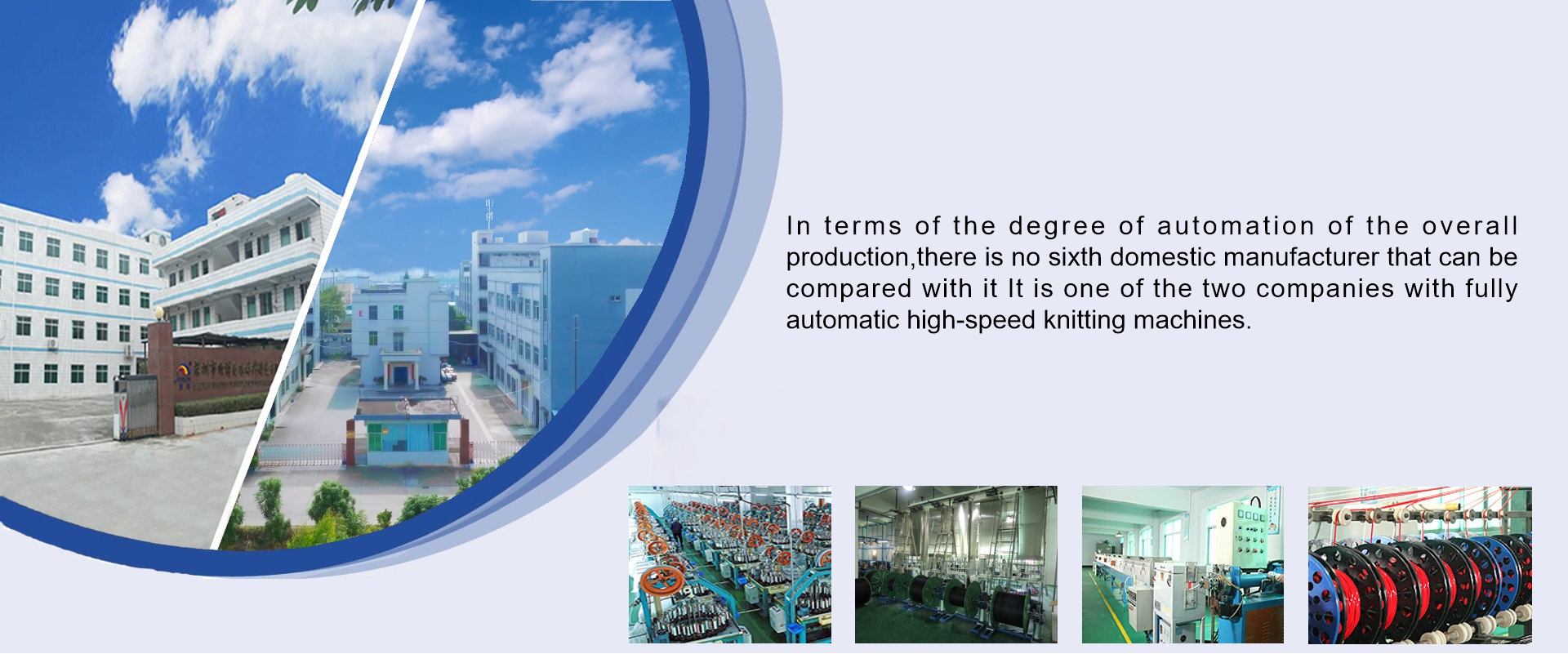
The production process of cold cable accessories is a crucial aspect of the manufacturing industry. These accessories play a vital role in the efficient functioning of cold cables, which are widely used in various industries such as power transmission, telecommunications, and construction. Understanding the mainstream production process of cold cable accessories is essential for manufacturers and consumers alike. In this article, we will delve into the details of this process, exploring the various stages involved and the technologies employed.
1. Design and Engineering: The production process of cold cable accessories begins with the design and engineering phase. This stage involves the creation of detailed drawings and specifications for the accessories. Designers and engineers work closely to ensure that the accessories meet the required standards and specifications. They consider factors such as the type of cable, voltage rating, environmental conditions, and installation requirements.
2. Material Selection: Once the design is finalized, the next step is the selection of materials. Cold cable accessories are typically made from various materials such as polymers, metals, and insulating materials. The choice of materials depends on factors such as the application, temperature range, electrical properties, and mechanical strength requirements. Manufacturers carefully select materials that offer optimal performance and durability.
3. Material Preparation: After the materials are selected, they undergo preparation processes such as cutting, shaping, and molding. For example, if the accessory requires a polymer component, the raw polymer material is melted and injected into molds to form the desired shape. Metal components may undergo processes like cutting, bending, and welding to achieve the required dimensions and shape.
4. Assembly: The assembly stage involves combining the different components of the cold cable accessories. This may include attaching metal connectors, insulating materials, and other necessary parts. Manufacturers employ various techniques such as mechanical fastening, adhesives, and welding to ensure the components are securely joined together. The assembly process requires precision and attention to detail to guarantee the accessories' functionality and reliability.
5. Testing and Quality Control: Once the accessories are assembled, they undergo rigorous testing and quality control procedures. These tests ensure that the accessories meet the required electrical, mechanical, and environmental standards. Common tests include insulation resistance, voltage withstand, temperature cycling, and mechanical strength tests. Manufacturers use advanced testing equipment and techniques to ensure the accessories' performance and reliability.
6. Packaging and Distribution: After passing the quality control tests, the cold cable accessories are packaged and prepared for distribution. Packaging is done in a way that protects the accessories from damage during transportation and storage. Manufacturers may use various packaging materials such as cardboard boxes, plastic bags, or blister packs. Proper labeling and documentation are also essential to provide information about the product and its specifications.
7. Installation and Maintenance: The production process of cold cable accessories does not end with manufacturing and distribution. Manufacturers often provide installation guidelines and support to ensure proper installation and usage of the accessories. Additionally, they may offer maintenance services and technical support to address any issues that may arise during the accessories' lifespan.
In conclusion, the mainstream production process of cold cable accessories involves several stages, including design and engineering, material selection, material preparation, assembly, testing and quality control, packaging, and distribution. Each stage requires careful attention to detail and adherence to industry standards. By following this process, manufacturers can produce high-quality cold cable accessories that meet the requirements of various industries.